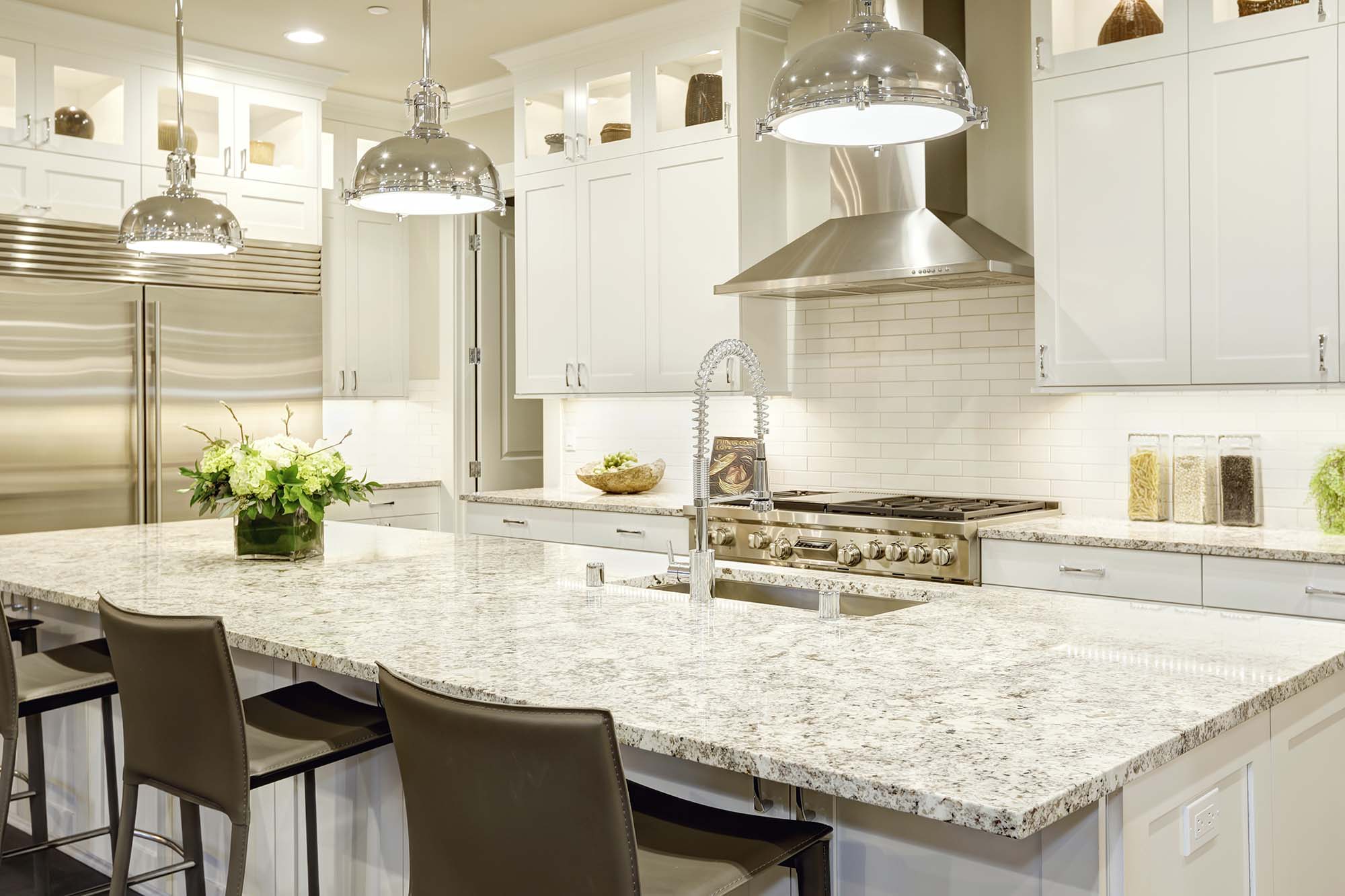
Every kitchen has what tradespeople sometimes call a wet wall, the wall or run where your sink, dishwasher, and often your gas or electric range connections all live. Moving any of that means opening walls or floors, rerouting lines, and usually pulling permits depending on your municipality.
None of that is required to meaningfully update a kitchen, and knowing what falls on either side of that line changes how you plan the whole project.
What Actually Requires Moving Plumbing
Relocating a sink to a different wall, moving an island to a spot without existing rough in plumbing, or shifting a dishwasher to the opposite side of the kitchen all require new supply and drain lines, which means real construction work beyond cabinets and countertops. Gas ranges carry a similar constraint, since moving a gas line involves your utility provider and inspection requirements that vary by municipality.
These changes are sometimes worth it for a full layout overhaul, but they are also the single biggest driver of scope creep in a kitchen project that started out simple. Recognizing early that you want to keep your sink and range in their current locations immediately simplifies everything else about the renovation.
What Changes Everything Without Touching a Pipe
Cabinet doors and drawer fronts account for most of what your eye actually registers when you look at a kitchen, which means swapping dated doors for a new style and finish transforms the room's entire feel while the boxes and plumbing behind them stay untouched. This is often called refacing when the existing cabinet boxes are in good condition and only the visible surfaces get replaced.
Countertops sit in the same category. A new countertop material dramatically changes a kitchen's appearance and can be installed over existing cabinet boxes without any plumbing work, aside from disconnecting and reconnecting the faucet and sink at the same location. Pairing new countertops with a fresh backsplash, since tile work also does not touch plumbing lines, covers two of the most visually significant surfaces in the entire room.
Hardware and Lighting Do More Than People Expect
Cabinet hardware, meaning the knobs and pulls on every door and drawer, is inexpensive to replace and changes the entire visual tone of a kitchen faster than almost any other single update. Moving from dated brass knobs to modern brushed hardware, or the reverse, shifts a kitchen's whole character in an afternoon.
Lighting works similarly. Swapping outdated fixtures for updated pendant lighting over an island, or adding under cabinet lighting where none existed, changes how a kitchen feels in the evening without requiring any plumbing work at all. Electrical updates for lighting are a separate consideration from plumbing entirely, and most existing wiring can support new fixture styles with only minor adjustments.
Paint and Finish Choices Round Out the Update
A full repaint of cabinet boxes and trim, when the existing cabinets are structurally sound, gives a kitchen an entirely different color story without replacing a single box or moving a single pipe. This works particularly well when paired with new hardware and updated countertops, since the combination addresses color, texture, and detail all at once.
Wall color and trim updates around the kitchen perimeter round out this approach, giving the whole room a cohesive refreshed look. None of these choices touch your existing plumbing layout, which means the scope, cost, and timeline all stay far more contained than a full gut renovation would require.
If you want to update your kitchen's look while keeping your existing sink and range right where they are, Heartland Cabinetry & More can walk you through exactly which changes will make the biggest visual impact. We serve homeowners throughout Bourbonnais, Kankakee, Manteno, Watseka, Bradley, and the surrounding areas and welcome you to explore cabinet, countertop, and hardware options in person at Bourbonnais, IL. Explore our Kitchen Remodeling services or contact us to start planning your update.